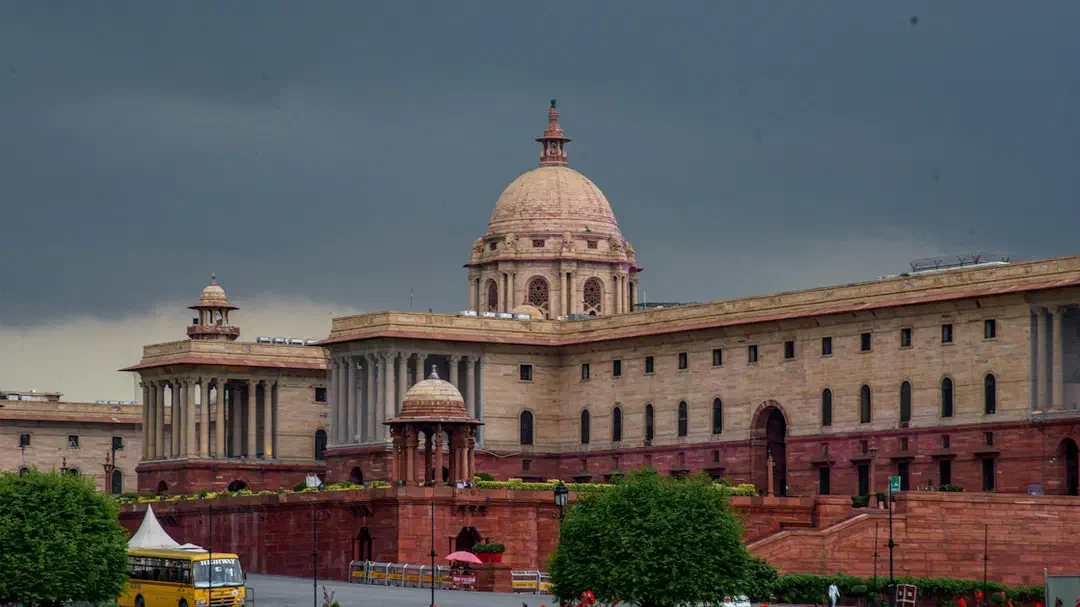
Monsoon session unprorogued for a record 88 days; Congress alleges delimitation motive
Parliament's Monsoon session has stayed unprorogued for 88 days since 13 August, a record; Congress alleges it is meant to pass delimitation Bills, while the Centre has cited the 2008 precedent.
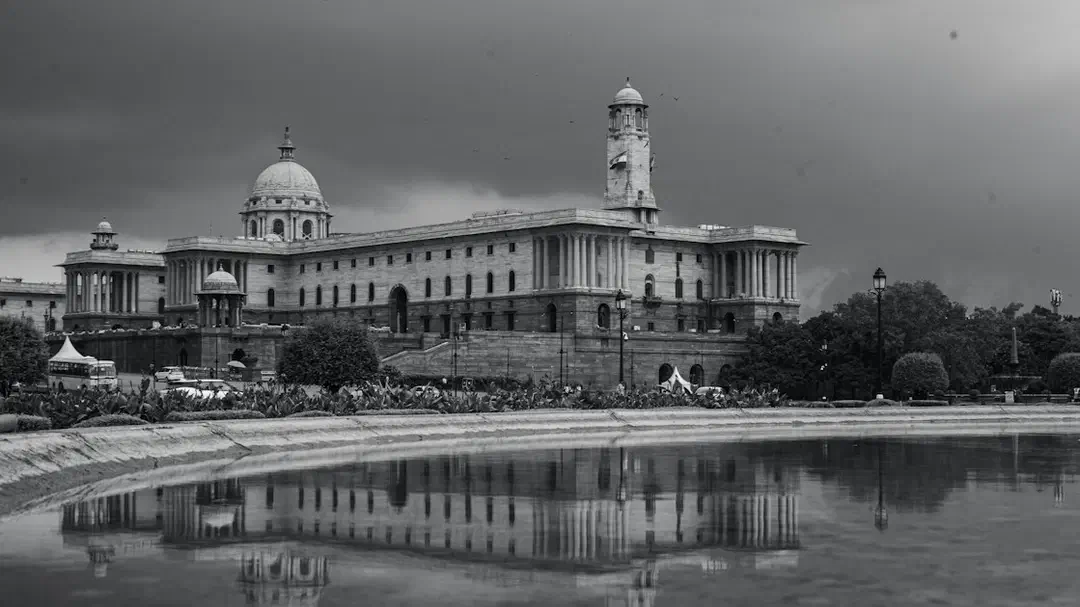
Parliament’s Monsoon session had remained unprorogued for 88 days as of Monday, 9 November 2026, a record, according to The Hindu. Both Houses were adjourned indefinitely on 13 August, and neither the Lok Sabha nor the Rajya Sabha had been formally prorogued by Monday morning.
Context
Prorogation formally ends a session. The Hindu reports that the Constitution prescribes no time frame within which a House must be prorogued after an adjournment sine die, and that a long gap is not by itself a constitutional or procedural impropriety. Its records show the previous longest gap was 87 days in 2008, followed by 76 days in 1987, 54 days in 1989, 49 days each in 2006 and 2013, and 41 days in 1963.
Leaving a session open allows an extended sitting at short notice. The Hindu reports that this needs at least two days’ notice, while a new session needs at least 14 days. The report links the open session to speculation about a proposed Constitution amendment tied to the Women’s Reservation Bill, which involves delimitation and would raise the Lok Sabha’s strength from 543 to a maximum of 850 seats. A similar Constitution Amendment Bill did not secure the required numbers in the Lok Sabha at a special sitting on 17 April 2026, the report says.
What was said
Mr Ramesh said in a post on X that the 8th edition of Practice and Procedure of Parliament (Kaul and Shakdher) describes a gap of generally two to four days between adjournment sine die and prorogation, with a footnote giving a maximum of 28 days, for the 2015 Monsoon session. He said Mr Rijiju’s 19 October letter to Mr Kharge had cited the 87-day gap in 2008, which that book does not mention.
These are statements by the people quoted; this report has not independently verified the allegation about the Government’s intent. The reports reviewed carried no response from Mr Shah or the Government to Monday’s statement.
What happens next
The Hindu reports that no date has been announced for prorogation or for an extended sitting.
Perspectives
Listed in no particular order and given equal space. Inclusion is not endorsement.
Congress says
- Mr Ramesh, Congress general secretary in charge of communications, said in a post on X that the 2008 gap had been agreed by all parties, and that this time the delay was meant to give time to the Union Home Minister to “manipulate a super-tainted two-thirds majority” in the Lok Sabha.
- He said Congress president Mallikarjun Kharge had written to the Prime Minister four times in six months asking for an all-party meeting on delimitation, and that the request had been refused.
The Centre has said
- Union Parliamentary Affairs Minister Kiren Rijiju wrote to Mr Kharge on 19 October 2026 that the 2008 Monsoon session had been kept unprorogued for 87 days, as Mr Ramesh described the letter.
- The Hindu’s report notes that remaining unprorogued for long does not by itself amount to a constitutional or procedural impropriety. The reports reviewed contained no government response to Monday’s statement.