Supreme Court strikes down Karnataka law validating 2011 gazetted probationer recruitment
A Supreme Court bench held the Karnataka 2022 Act validating the cancelled 2011 recruitment of 362 gazetted probationers unconstitutional and ordered fresh recruitment to the posts.
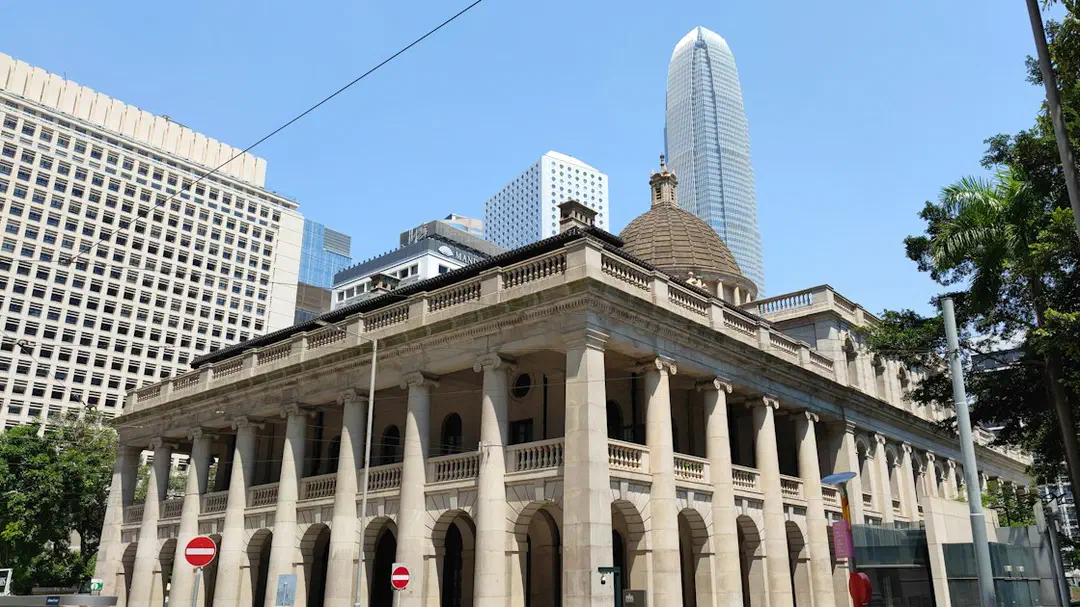
The Supreme Court on Thursday, 29 October 2026, declared unconstitutional a Karnataka law that validated the 2011 selection of gazetted probationers by the Karnataka Public Service Commission (KPSC), a recruitment that courts had earlier found to be tainted. A bench of Justices J B Pardiwala and K Vinod Chandran also set aside the High Court orders that had allowed the law to stand, according to The Hindu and Hindustan Times. The judgment was authored by Justice Chandran, Hindustan Times reported.
The 2011 recruitment
Karnataka invited applications on 3 November 2011 for 362 Group A and B posts. About 1.38 lakh people applied, and 91,667 appeared for the preliminary examination, Hindustan Times reported. After complaints of irregularities, the government withheld the final selection list in 2013 and ordered an inquiry by the Criminal Investigation Department (CID), which found what The Hindu described as “gross manipulations” in the process.
The recruitment was cancelled in 2014. The Karnataka Administrative Tribunal first quashed that decision, but the Karnataka High Court held that the irregularities vitiated the selection and reversed the tribunal. In 2018 the Supreme Court upheld the High Court’s decision, Hindustan Times reported. The courts noted evidence that included call records between candidates and KPSC members and identical interview marks awarded to hundreds of candidates, the newspaper reported.
In 2022 the state legislature passed the Karnataka Civil Services (Validation of Selection and Appointment of 2011 Batch Gazetted Probationers) Act, which revived the appointments.
What the court held
The bench held that the 2022 Act was enacted to countermand the judgments of the High Court and the Supreme Court, The Hindu reported. Quoting Justice Chandran, it reported: “The cancellation having been upheld by the High Court and the Supreme Court, the power does not lie with the legislature to annul the cancellation, even by a legislation, and thus nullify the judgments of the Constitutional courts.”
Hindustan Times reported that the bench distinguished between two things: a law may retrospectively remove the legal defect on which a judicial decision rests, but it cannot simply reverse an individual judicial determination. The court also declined to separate candidates who were not individually found tainted from those against whom allegations had surfaced, saying that once the selection process itself was vitiated there was no scope to segregate on individual culpability.
Both outlets reported the court’s criticism of the state’s changing position over the years, which it described as depending on the “hues and colours in the changing times”. The bench said: “Having found the Act of 2022 unconstitutional, we cannot but observe that the appointments made pursuant to the tainted recruitment will also come to an end.”
Directions
The court did not direct the authorities to resume the old selection process, given that nearly 15 years had passed, Hindustan Times reported. It directed the Karnataka government to notify recruitment for the vacant Group A and B posts under the existing recruitment rules.
As a one-time concession, candidates appointed under the 2022 Act who were not found tainted, the six appellants, and the petitioners in pending proceedings before the tribunal are to receive age relaxation to take part in the fresh recruitment. If selected, their seniority will count only from the date of fresh appointment, with no back wages or notional appointment for the intervening period. Hindustan Times reported that service already rendered by existing appointees who are selected again will count towards their pension and retirement benefits.
What happens next
The next step is for the Karnataka government to notify the fresh recruitment. The reports reviewed did not state a deadline for doing so, and did not include a response from the state government or the KPSC to the ruling. The full judgment text was not available to us at the time of writing, and the court’s wording above is as quoted by the two outlets.
Perspectives
Listed in no particular order and given equal space. Inclusion is not endorsement.
The appellants and the present state government said
- Six appellants, represented by senior advocate Shyam Divan, challenged the 2022 law and pursued the case to join the Karnataka Civil Services; the court noted they would now be over-age, according to The Hindu.
- Senior advocate Kapil Sibal, appearing for the current Congress-led state government, told the court the government could not support the legislation, Hindustan Times reported.
Candidates appointed under the 2022 Act said
- Senior advocates C A Sundaram and Anand Sanjay M Nuli argued for the successful candidates, Hindustan Times reported, including that those not individually found tainted should be allowed to keep their appointments.
- The reasoning recorded for the 2022 law, which was enacted while the BJP was in power in the state, was that candidates should not suffer for wrongdoing by Karnataka Public Service Commission officials when they had not been made accused in the criminal case, Hindustan Times reported.