Madhya Pradesh High Court strikes down 2019 law raising OBC quota to 27%
A Jabalpur bench held that the State did not show exceptional circumstances to exceed the 50% reservation ceiling, restoring the 14% OBC quota in public services and higher education.
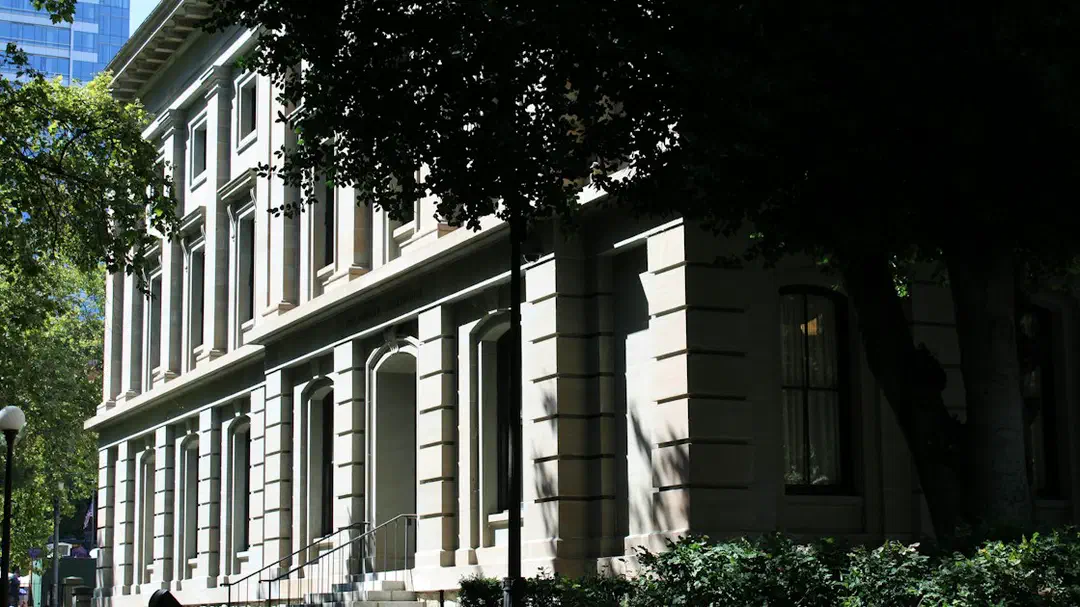
The Madhya Pradesh High Court on Friday, 9 October 2026, struck down a 2019 State law that had raised reservation for Other Backward Classes (OBCs) in public services from 14% to 27%. A Division Bench of Justices Anand Pathak and Vinay Saraf in Jabalpur held the amendment unconstitutional in a 159-page order, according to The Hindu and The Indian Express. The judgment text was not available to us; this report relies on those two outlets’ accounts of it.
What the court held
The bench said the question before it was “not about grant of reservation but extent of reservation”, and that OBCs are entitled to reservation of 14%, not 27%, in public services and higher education, as quoted by The Hindu. It held that the State had not shown “extraordinary conditions or emergent situations” that would justify exceeding the 50% ceiling on total reservation, citing the Supreme Court’s judgments in Indra Sawhney and Jaishri Laxmanrao Patil.
The court examined data on higher education and public employment, including a 2023 study by Dr BR Ambedkar University of Social Sciences and the All India Survey of Higher Education. It concluded that OBCs were adequately represented, The Indian Express reported. It also observed that no caste census had been conducted in Madhya Pradesh since Independence, so estimates of the population of different categories remained tentative. It added that a large number of posts earmarked for OBC candidates remained vacant, and held that the failure to fill them could not itself justify a higher quota.
Background
The Madhya Pradesh Public Service (Reservation for Scheduled Castes, Scheduled Tribes and Other Backward Classes) Amendment Act, 2019, followed an ordinance issued in March 2019 by the then Congress government led by Kamal Nath. Petitions from candidates in unreserved categories challenged it. While the case was pending, recruitment drives faced stays. In September 2022, the State government, then led by the BJP, adopted an “87:13” formula approved by the High Court: recruitment proceeded against 87% of vacancies while the remaining 13% of posts were held back until the case was decided.
Senior Advocate Aman Lekhi, appearing for the petitioners, argued that the 2019 law was brought in a day before the model code of conduct for the 2019 Lok Sabha election came into force, The Hindu reported.
Directions on appointments
According to the two outlets, OBC candidates appointed against the additional quota between March 2019 and September 2022 will not be removed from their jobs. The Indian Express reported that these appointments would be adjusted against the next three recruitment drives. The court directed the Madhya Pradesh Public Service Commission, the Employees Selection Board and other recruitment agencies to fill the 13% of posts on hold since September 2022 from the unreserved category, from existing selection lists, within three months.
What happens next
Chief Minister Mohan Yadav said the State government would study the judgment and “ensure further legal proceedings”, The Indian Express reported. Neither outlet reported whether an appeal to the Supreme Court had been filed as of Saturday, 10 October 2026.
Perspectives
Listed in no particular order and given equal space. Inclusion is not endorsement.
The Congress says
- Former Chief Minister Kamal Nath, whose government brought the 2019 law, said the BJP government had presented a “weak case” in court and had been “conspiring from the very beginning to scrap this reservation”, according to The Indian Express.
- The Hindu reported that the Congress said it remained firm on securing 27% reservation for the community.
The BJP says
- BJP state president Hemant Khandelwal said the Congress had increased the quota “in haste” ahead of the 2019 Lok Sabha election, that the High Court had flagged the haste and lack of preparation behind the 2019 ordinance, and that the Congress should take responsibility for the legal shortcomings of its decision, according to The Indian Express.
- The Hindu reported that the BJP said it remained firm on securing 27% reservation for the community; Chief Minister Mohan Yadav said the State would study the judgment and ensure further legal proceedings.