ConstitutionExplainer
How the President of India is elected
MPs and MLAs vote, but their votes carry very different weights. Here is how the electoral college and the single transferable vote work.
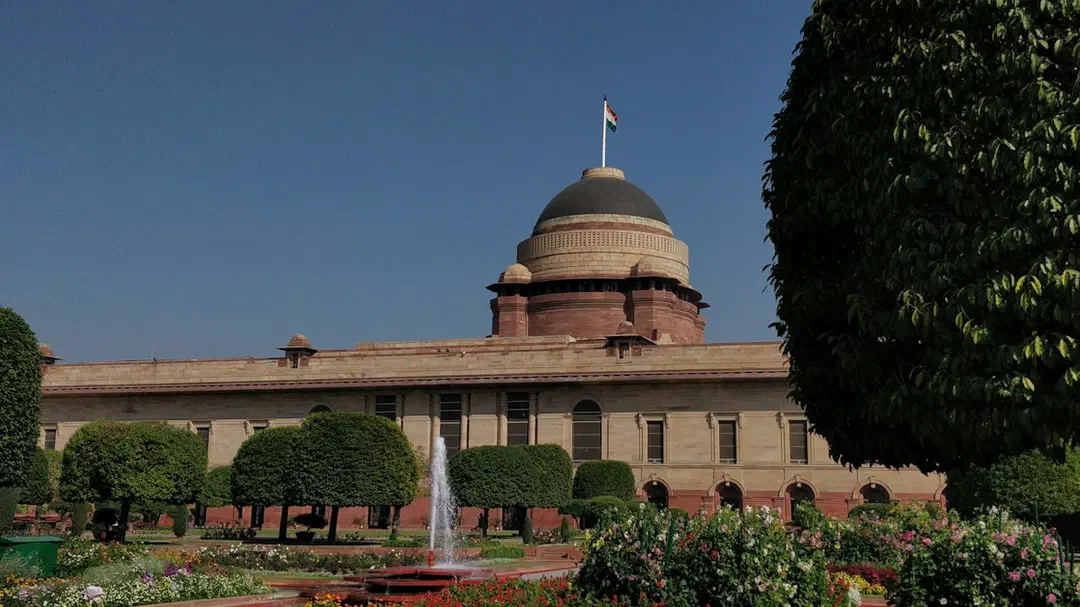
The President of India is not elected directly by voters. Instead, the Constitution sets up an electoral college — and gives its members’ votes different weights.
Who votes
Under Article 54, the electoral college is made up of:
- the elected members of both Houses of Parliament; and
- the elected members of the Legislative Assemblies of all states and of the Union Territories of Delhi and Puducherry.
Nominated members of Parliament and of Assemblies, and members of state Legislative Councils, do not vote.
How much each vote is worth
Article 55 aims for uniformity between states and parity between the states as a whole and the Union.
An MLA’s vote is worth the population of their state divided by the number of elected MLAs in the state, divided again by 1,000. States with larger populations per legislator therefore have higher-value votes. Under the Constitution, the population figure used is that of the 1971 Census until the figures of the first census taken after 2026 are published.
An MP’s vote is worth the total value of all MLAs’ votes divided by the total number of elected MPs, so that the two halves of the electoral college carry roughly equal weight.
How the count works
Voting is by secret ballot using proportional representation by means of the single transferable vote. Electors rank candidates in order of preference. To win, a candidate needs a quota — more than half of the total value of valid votes. If no one reaches it on first preferences, the candidate with the fewest votes is eliminated and their ballots are transferred according to the next preference, until someone crosses the quota.
After the election
The President holds office for five years (Article 56) and is eligible for re-election. Disputes about a presidential election are decided by the Supreme Court (Article 71). The election is conducted by the Election Commission of India.
Sources
- The Constitution of India (Articles 54–56, 71) — Legislative Department, Government of India
- Election Commission of India — Election Commission of India